My scholarly and practice-led research works to facilitate conversations and connections between artists, scholars, arts and other administrators, and activists. My first monograph, Institutional Theatrics: Performing Arts Policy in Post-Wall Berlin (Northwestern University Press, 2021), shows how theater and performance can reshape public institutions both in and beyond the arts. Focusing on the restructuring of Berlin’s major public theatre infrastructures since the end of the Cold War, as well as the interdisciplinary performance practices that responded to these seismic shifts, I argue for a new concept of the relationship between art and the institutions of its support. Cultural policy, I claim, must be thought of as a performative practice of infrastructural imagining and not just an administrative agenda for delegating funds. Moreover, understanding performance as itself a form of policy can help us understand the ways theatre artists lean on and into systems of state support as the very means of enacting their transformation. Institutional Theatrics was named a finalist for book prizes from both the Waterloo Center for German Studies and the Association for Theatre in Higher Education (ATHE).
This institutional cathexis also animates Postdramatic Theatre and Form (Bloomsbury Methuen, 2019). The co-edited volume examines both the aesthetic structures and material conditions of contemporary performance to refine what we mean, and what we don’t, when we speak of “postdramatic” theatre. In doing so, the book also addresses the longstanding suspicion around form within theatre and performance studies. We argue instead that artists and scholars would benefit from a more capacious, avowedly social formalist vocabulary – one that requires we shake off conceptions of form as mere ornamentation or as something that seals a work off from society. Indeed, the book demonstrates how formal experimentation, both onstage and off, serves as a vital strategy for making sense of theatre in imminent crisis.
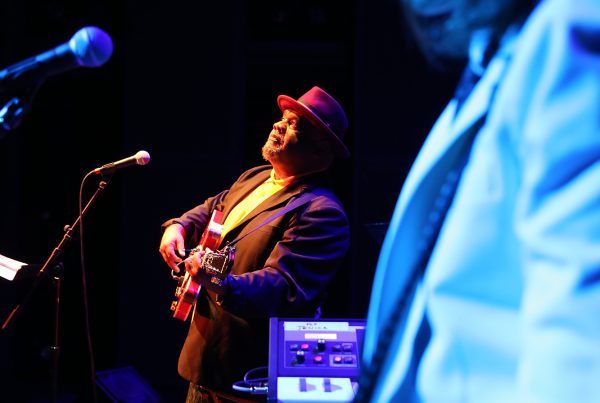
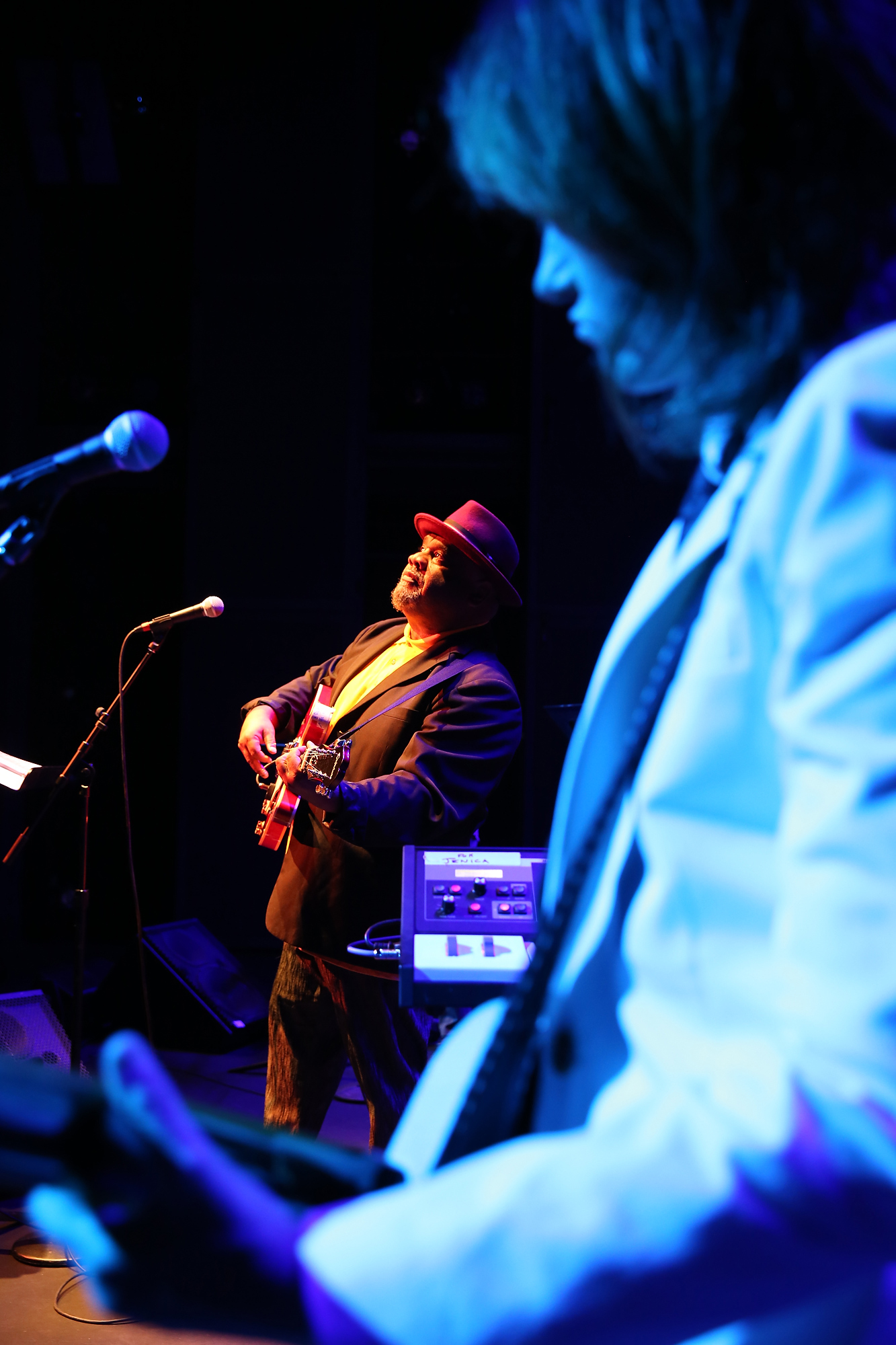
A commitment to performance’s capacity to joyfully disrupt our fractious present also guides the book I recently completed with Stew, the Tony and Obie Award-winning playwright and composer of Passing Strange. Titled Problem Solved! The Music and Theatre of The Negro Problem, this project collects previously unpublished song lyrics, play scripts, and performance texts, alongside critical essays and interviews in order to chart the group’s long history of experimentation across rock music, musical theatre, avant-garde performance, and other interdisciplinary forms of social and artistic critique.